



Premium custom clothing should earn its price through product decisions that can be specified, sampled, and repeated. Higher GSM, a washed finish, an oversized cut, or embroidery can contribute to the offer, but none proves premium quality by itself. Buyers need to decide which fabric, fit, construction, decoration, branding, and service differences the customer will actually experience.
The main risk is paying for impressive-sounding inputs that do not work together. A dense print can make a soft garment uncomfortable. A heavy blank can carry unnecessary freight cost. Custom packaging can consume budget while measurements remain inconsistent. Premium development therefore begins with a hierarchy: define the product promise, identify the details that deliver it, test them on the complete garment, and remove extras that do not improve that promise.
What Should a Premium Price Buy?
A premium price should buy a coherent garment and a more controlled purchase experience, not a list of costly features. The product must show where money was spent through fit, hand feel, construction, finish, decoration, brand presentation, or repeatability that matters to the intended wearer. The buyer should be able to trace each cost to a customer-facing or risk-reducing function.

Build a value hierarchy before selecting options
Start with the reason the customer would choose this product over a standard alternative. For a heavyweight streetwear T-shirt, silhouette and collar structure may lead. For a travel hoodie, pocket behavior, layering comfort, and dimensional stability may matter more than maximum fabric weight. For a creator drop, artwork execution and a dependable reorder may outrank custom trims.
Rank requirements as essential, supporting, or decorative. Essential details must pass before optional packaging or extra labels receive budget. Supporting details should strengthen the main promise. Decorative details should be removed if they complicate production without creating visible or usable value.
The comparison below keeps the decision grounded in evidence.
| Product area | Basic acceptable route | Premium candidate route | Evidence required |
|---|---|---|---|
| Fabric | Suitable listed composition and weight | Controlled hand, structure, finish, or performance | Identified material and tested sample |
| Fit | Standard size chart | Purpose-built proportion or selected specialty silhouette | Measurements, fitting, and graded size review |
| Construction | Functional seams and trims | Details that improve shape, comfort, or durability | Workmanship standard and production sample |
| Decoration | Clean, suitable print or embroidery | Execution tuned to garment surface and artwork | Strike-off, placement map, wash review |
| Branding | Accurate required labels | Coherent labels and packaging with a clear role | Approved assets and packed sample |
Premium does not require the most elaborate route in every row. A restrained label system and excellent fit can be more convincing than multiple trims added to a weak garment.
Define a price ladder before development expands. The entry item, core item, and higher-investment product should differ for reasons a buyer can understand, such as material, construction, or functional detail, rather than arbitrary markup. If two tiers use the same garment and decoration, the team needs a truthful explanation for the difference or should simplify the offer.
How Do Fabric Weight Fiber and Finish Affect Value?
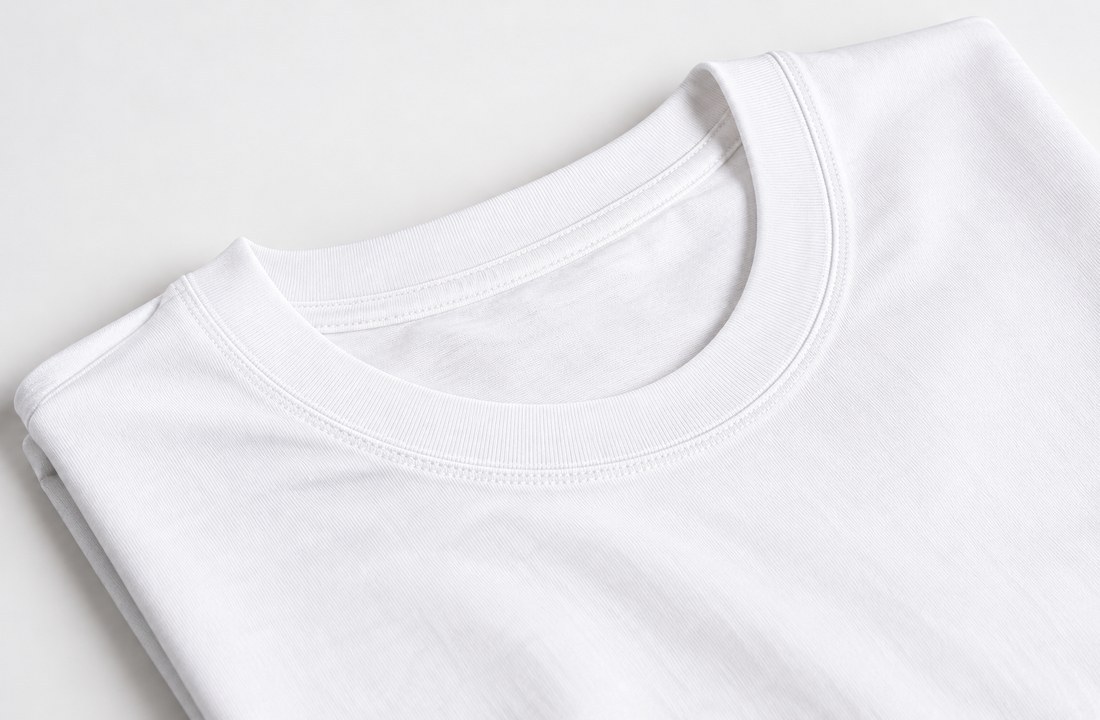
Fabric should be evaluated as a combination of fiber, yarn, construction, weight, dyeing or wash, finishing, surface, drape, recovery, care, and intended use. GSM is one useful specification, but it cannot predict softness, durability, shrinkage, breathability, or premium perception on its own. The complete material must be approved in the garment.
Use weight to support the silhouette
Heavier fabric can help a boxy garment hold shape, reduce show-through, or create a substantial hand. It can also increase heat retention, drying time, parcel weight, and the load placed on necklines or seams. A warm climate, active use case, or low shipping threshold may favor a lighter but well-constructed material.
Cloprod lists a 285GSM soft washed oversized T-shirt and a 400GSM washed heavyweight hoodie as specific product options. Their weights help identify those products; they do not establish universal premium ranges. Buyers should sample the chosen color and size because wash, dye, and garment proportions affect the result.
Inspect the fabric before and after care. Record hand, surface, pilling or fuzzing, color change, torque, shrinkage, seam appearance, and fit. CottonWorks explains that yarn, construction, processing, finishing, sewing, and care can all influence shrinkage and skewing. This is why an isolated swatch or mill figure cannot replace a garment test.
Do not confuse finish with durability
Garment washing, pigment effects, distressing, brushing, softening, and other finishes can create a distinct visual or tactile product. Some also increase variation or change performance. Approve the acceptable range for shade, abrasion, edge wear, print interaction, and measurements after finishing.
If the product intentionally varies, show that truth in photography and quality standards. A buyer can accept controlled variation without accepting stains, unexpected holes, distorted seams, or colors outside the approved range. “Vintage” is not a waiver for undefined workmanship.
Shipping trials belong in material approval when weight and surface are central to the product. Pack the garment using the intended fold and protective material, then inspect creasing, abrasion, odor retention, moisture exposure, and parcel dimensions after transit. A beautiful finish that arrives marked or forces an uneconomic parcel can weaken the premium offer before the customer wears it.
Why Do Fit and Construction Often Matter More Than Extras?
Fit and construction shape every wear, while packaging is experienced briefly. Premium custom clothing usually benefits more from correct proportion, movement, collar or rib behavior, pocket placement, seam balance, and grading than from an additional hang tag. Buyers should protect the fit and build budget before adding presentational features.
Approve proportion across relevant sizes
Review body length, width, shoulder, sleeve, armhole, neck opening, rise, inseam, and other product-specific points. Consider how those measurements work together rather than approving them independently. A wider body with a narrow neck or short sleeve may look balanced on a flat drawing and feel wrong when worn.
Fit the intended base layer and wearer range. Photograph front, side, back, and movement positions, then record measurement and wear comments separately. The pattern or selected blank should be judged against the brand’s intended silhouette, not against a generic preference for slim or oversized.
Construction should preserve that shape. Check seam type and placement, stitch condition, reinforcement, rib attachment, pocket symmetry, zipper behavior, hem balance, and internal comfort. CottonWorks notes that fabric quality, fit, seam integrity, shrinkage, and performance all contribute to garment quality. No single feature can compensate for failure elsewhere.
Use a real brand case without copying it
Fear of God’s official Essentials collection organizes hoodies, tees, sweatshirts, pants, and other staples inside a recognizable product system. GQ’s profile of Jerry Lorenzo describes his sustained attention to proportion and fit. Together, those sources support a limited lesson: repeated silhouettes and a controlled product language can make basics recognizable.
They do not prove that oversized clothing, heavyweight fabric, muted colors, or a diffusion-line structure will produce premium positioning for another brand. A smaller label should extract the process, not the appearance: define a core silhouette, preserve measurement logic, use a stable color framework, and decide which products are tests, evergreen styles, or higher-investment pieces. It should not copy trademarks, graphics, or distinctive designs, and it must validate the system with its own customers and economics.
Consistency does not require every product to look identical. It requires a deliberate relationship between proportions, colors, materials, and price. A brand can introduce seasonal variation while keeping a recognizable core. Record which attributes may change and which define the line, then evaluate new samples against that hierarchy instead of deciding by mood alone.
How Should Decoration and Branding Be Prioritized?
Decoration and branding should reinforce the garment rather than compete with it. The method must suit artwork detail, fabric surface, stretch, garment thickness, placement, care, and the sensory effect the brand wants. Branding elements should have a specific role in identification, compliance, presentation, or customer use.
Match method to artwork and surface
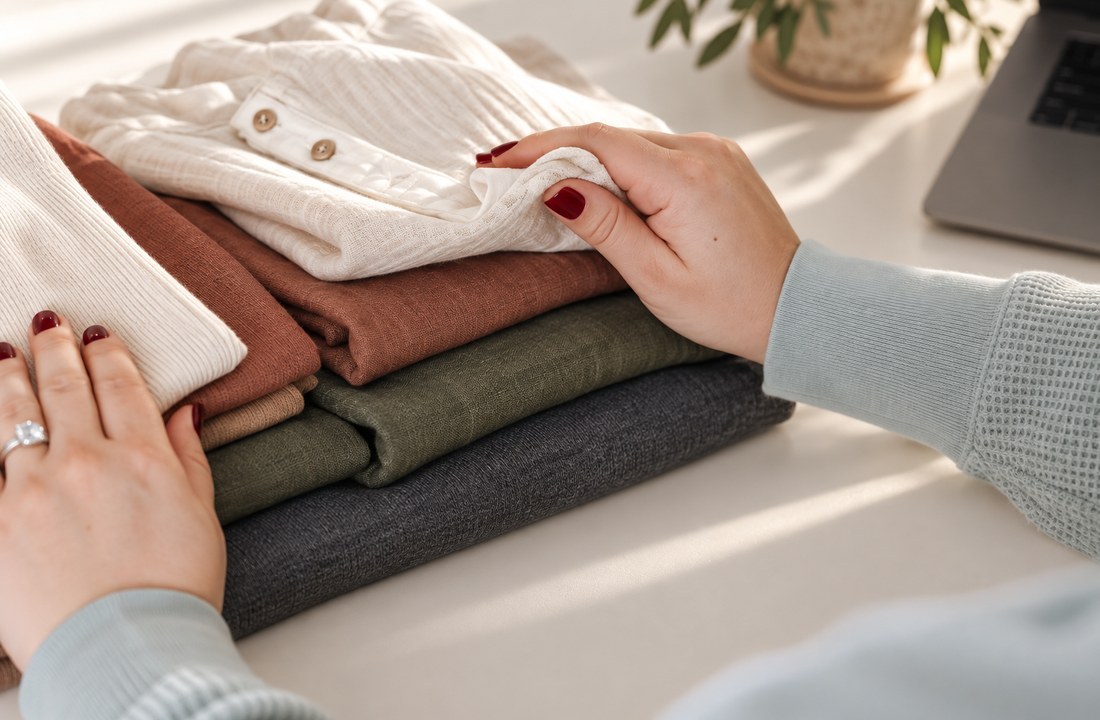
DTG, DTF, screen printing, embroidery, heat transfer, and mixed techniques have different setup, feel, detail, color, and fabric requirements. Final-size artwork should be tested on the selected garment. A large transfer can restrict drape; dense embroidery can pull light knit fabric; textured or washed surfaces can change print appearance.
Use a placement map with dimensions from stable seams and a rule for different sizes. Check hood-down and hood-up views, pocket interference, sleeve orientation, and seams under the decoration. Wash the complete decorated sample using the proposed care instruction and reassess print, thread, fabric, and measurements together.
Cloprod’s custom apparel service page lists current decoration and selected branding options. Buyers should use it to identify possible routes, then request confirmation for the exact garment, artwork, quantity, color, placement, labels, and package. A listed technique does not establish compatibility with every fabric or design.
Give every brand element a job
A neck label identifies the brand and may carry required information. A care label helps communicate maintenance. A hang tag can explain material, fit, or product story. Packaging protects the garment and may organize fulfillment. Adding all of them is not automatically premium.
The U.S. Federal Trade Commission explains the fiber content, country-of-origin, responsible-company, and care-label framework for covered products in its textile and wool labeling guidance. Brands should verify requirements for their sales markets and product, and obtain professional advice when necessary. Decorative brand language cannot replace required information.
Approve a fully packed sample when presentation matters. Confirm label position and comfort, tag attachment, fold, barcode or SKU accuracy, package size, warning requirements where applicable, and shipping protection. The unboxing should not cause creases, abrasion, moisture risk, or unnecessary parcel volume.
Branding should also survive operations. Barcodes must scan, size stickers must match internal labels, and packers need a clear rule for folds and inserts. If an element increases packing time or error rate, include that effect in cost and quality planning. A premium package that creates mislabeled orders is a design failure, not a finishing success.
How Can Premium Quality Be Protected at Scale?
Premium quality is protected by a versioned specification, production-representative sample, controlled inputs, inspection checkpoints, change approval, and reorder records. A development sample demonstrates possibility. Scaling proves whether the approved decisions survive material variation, operator handoffs, finishing, decoration, packing, and time.

Set acceptance criteria before production
The product file should include measurements and tolerances, fabric identity, approved color, construction details, trim references, artwork, decoration settings, placement, labels, packaging, care information, defect examples, and required tests. State which issues require repair, replacement, downgrade, or rejection.
Use risk-based checks during production. Confirm incoming material, early measurements, critical seams, finishing results, decoration, and packed units while correction is still possible. Final inspection should verify the correct version and record the sampled goods and disposition. A few carefully selected marketing photographs are not an inspection report.
CottonWorks’ quality testing resource separates construction, durability, appearance, colorfastness, and conditioning considerations. Select tests for the product and intended use, agree the method and limit, and link results to the actual material or garment tested.
Protect margin with landed-cost decisions
Calculate garment, development, decoration, labels, packaging, testing, inspection, freight, duties, storage, fulfillment, returns, replacements, and markdown exposure. The Cloprod pricing page can provide current listed costs for relevant catalog and service choices, but the final decision requires a project quote and destination-specific cost view.
Remove features that add cost without supporting the customer promise. If a heavier product forces a more expensive shipping tier, determine whether customers value the added weight. If elaborate packaging is discarded immediately, a simpler protective package may preserve more budget for fit or decoration. Premium pricing should not depend on costs the buyer cannot explain.
For reorders, retrieve the approved version and confirm material, color, measurements, decoration, and packaging before production. A changed supplier, fabric lot, wash, size grade, or print method can require resampling. Continuity is part of the product value.
Capture customer evidence without turning opinion into a technical conclusion. Returns, reviews, wear tests, and support tickets can identify where to investigate, but “felt cheap” may refer to weight, surface, fit, decoration, or expectation set by photography. Link feedback to SKU, size, color, and production version before changing the specification.
Photography and copy must represent the approved product. Lighting can make washed colors look more even or saturated than they are, and styling can hide length or volume. Use measurements, fit notes, care information, and close details to set an accurate expectation. Premium positioning becomes fragile when the product is sound but the listing promises a different hand, shade, or silhouette.
Establish which details are repairable. Loose threads may be corrected before shipment, while an incorrect pattern, fabric, or permanent decoration can require replacement. Agree defect categories and disposition before production. Repair should not leave marks, distort measurements, or create a product different from the approved standard.
Use a pilot to test the complete commercial product, including the garment and its operational path. Receive it through the real logistics route, inspect the package, verify SKU data, and fulfill a small group of orders. This exposes barcode, fold, storage, and customer-service problems that a design review cannot see. Scale when both product and operations meet the standard the price requires.
Set a premium claim ledger for marketing. List every claim about material, weight, origin, process, performance, finish, and exclusivity, then link it to the product record or test that supports it. Remove language that cannot be proved for the current version. This prevents a legitimate design improvement from being promoted with a broader claim than the evidence allows.
Train support and wholesale teams on the same product facts. If sales staff describe a garment as preshrunk, handmade, limited, or locally produced without verified scope, the commercial promise can exceed the specification. Provide a short factual product sheet and update it when materials, factories, or processes change.
Archive retired claim sheets so old wording is not reused for a revised product.
Conclusion
Premium custom clothing deserves its price when fabric, fit, construction, finish, decoration, branding, and quality control form one defensible product. Start with the customer-facing promise, fund the details that deliver it, and treat heavy weight or extra packaging as options rather than proof.
Before requesting production, submit the premium product brief to the apparel team, including the garment selection or tech pack, measurements, fabric and color requirements, artwork and placement, decoration method, labels, packaging, quantity, target delivery date, and test needs. Approve a complete sample, define acceptance criteria, and calculate landed and operating cost. A premium decision is strong only when the result can be experienced by the wearer and repeated without relying on vague quality claims.
Retain the approved version and reject changes that have not been sampled or justified.
FAQ
Does higher GSM mean better premium custom clothing?
No. GSM describes fabric mass per area, not complete quality. Fiber, yarn, construction, finish, drape, recovery, climate, care, and garment design determine whether the weight supports the product. Test the complete garment.
Which decoration method looks most premium?
No method is universally premium. The right choice depends on artwork, fabric, size, placement, hand feel, care, and intended visual effect. Clean execution on a suitable garment matters more than selecting the most expensive technique.
Are custom labels and packaging necessary?
They are useful when they support identification, compliance, product information, protection, or a deliberate customer experience. They are not substitutes for fit and construction. Confirm market requirements and approve the packed sample.
How should a premium sample be tested?
Measure it, fit it on the intended wearer or base layer, inspect construction, review decoration and labels, wear it, and care for it under an agreed method. Select additional performance tests based on product risk and selling claims.
Can premium custom clothing start with an existing blank?
Yes, if a defined existing garment meets the fabric, fit, construction, availability, and reorder requirements. The brand should not imply proprietary manufacturing. Sample the exact product and keep its SKU and approved decoration record.