


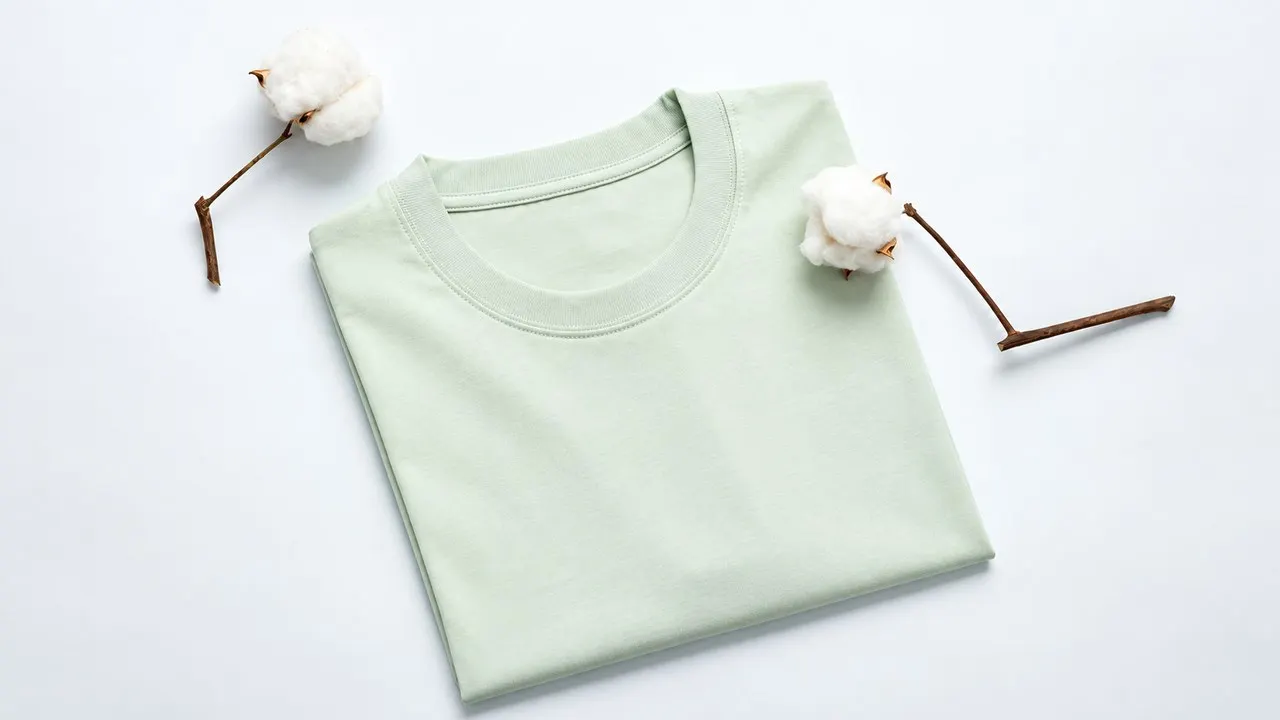
High quality clothing manufacturers are identified by repeatable evidence, not by a perfect showroom sample or broad claims about premium production. Buyers need to verify the product specification, sample result, inspection method, test conditions, defect decisions, and change controls that connect development to bulk and one order to the next.
Quality is also product-specific. A heavyweight fashion T-shirt, a performance top, and a fleece hoodie fail in different ways. A factory can be competent in one construction and unsuitable for another. The buyer’s job is to turn the selling promise into measurable requirements and confirm that the manufacturer can maintain them under the actual materials, colors, sizes, decoration, and volume of the order.
What Does High Quality Mean for This Garment?
High quality means conformance to an agreed specification that reflects the garment’s intended use. The specification should cover fabric identity, measurements and grading, construction, appearance, decoration, labels, packaging, care, and any required performance tests. “Premium hand feel” or “good stitching” cannot serve as acceptance criteria because two people can interpret them differently.
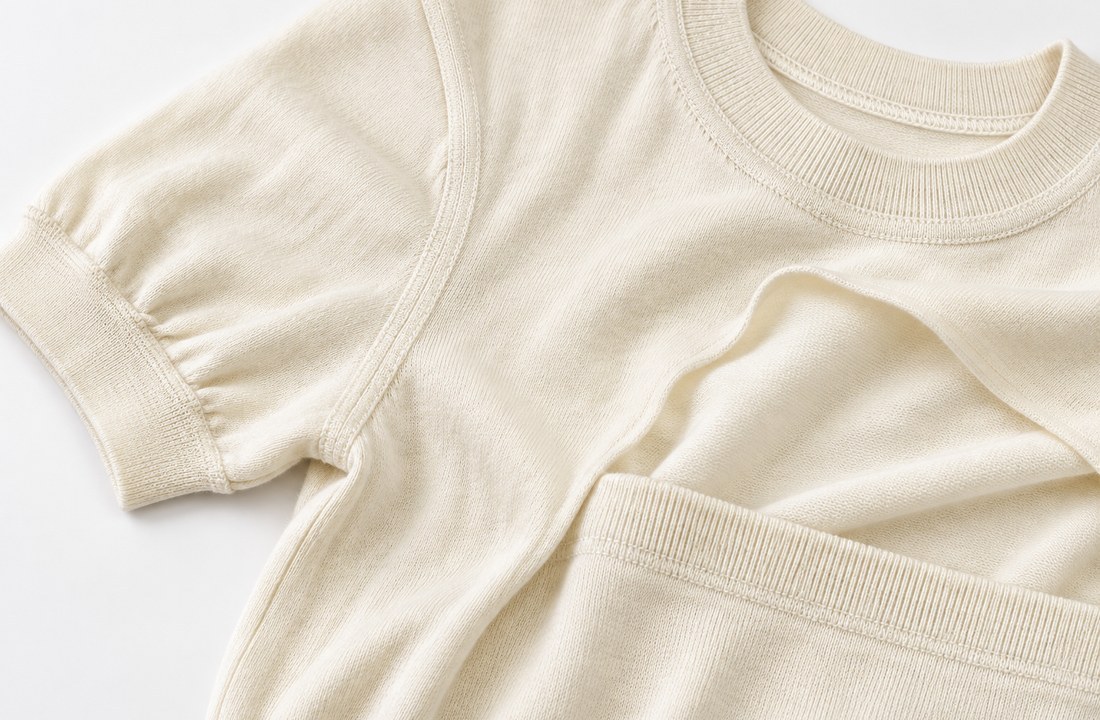
Translate the customer promise into checks
If a brand sells an oversized silhouette, identify the points of measure and tolerances that create it. If it promises a stable dark color, define the approved shade reference and relevant colorfastness checks. If a graphic is central to the product, record finished dimensions, placement references, color targets, and the sample that represents acceptable production.
CottonWorks states that fabric quality, fit, seam integrity, shrinkage, and other performance attributes contribute to garment quality control. That makes quality a system: correct seams do not rescue a fabric that changes beyond the buyer’s limit, and a strong fabric does not rescue poor grading.
Prioritize requirements according to risk. Safety, legal labeling, and function normally outrank minor appearance preferences. Within appearance, identify which defects would make the item unsellable, which require repair or downgrade, and which are acceptable within an agreed limit. The supplier should not discover those priorities only after final inspection.
Use photographs and physical swatches to clarify appearance standards, but pair them with language that states the decision. Images taken in different light can distort shade, and a close-up can hide how a defect affects the whole garment. For every critical reference, record the product, color, size, date, and approval status so teams do not use an obsolete sample as the standard.
Control the product identity
Record fabric composition, weight, knit or weave, yarn or finish information when relevant, approved color, trims, thread, labels, and packaging. For an existing blank, preserve the exact SKU and supplier version. For custom production, link material approvals and test reports to the lot or specification they represent.
A product page such as Cloprod’s 285GSM soft washed oversized T-shirt identifies one specific option. Its GSM should not be treated as a universal premium standard. Buyers still need to judge fit, surface, wash, decoration compatibility, and repeatability for the intended product.
How Should Samples Be Used as Quality Evidence?
Samples should answer defined questions at each development stage and culminate in an approved reference that reflects production materials and methods. One attractive prototype may demonstrate the direction, but it does not prove bulk repeatability. The buyer should know what each sample includes, what remains provisional, and which approvals authorize the next commitment.
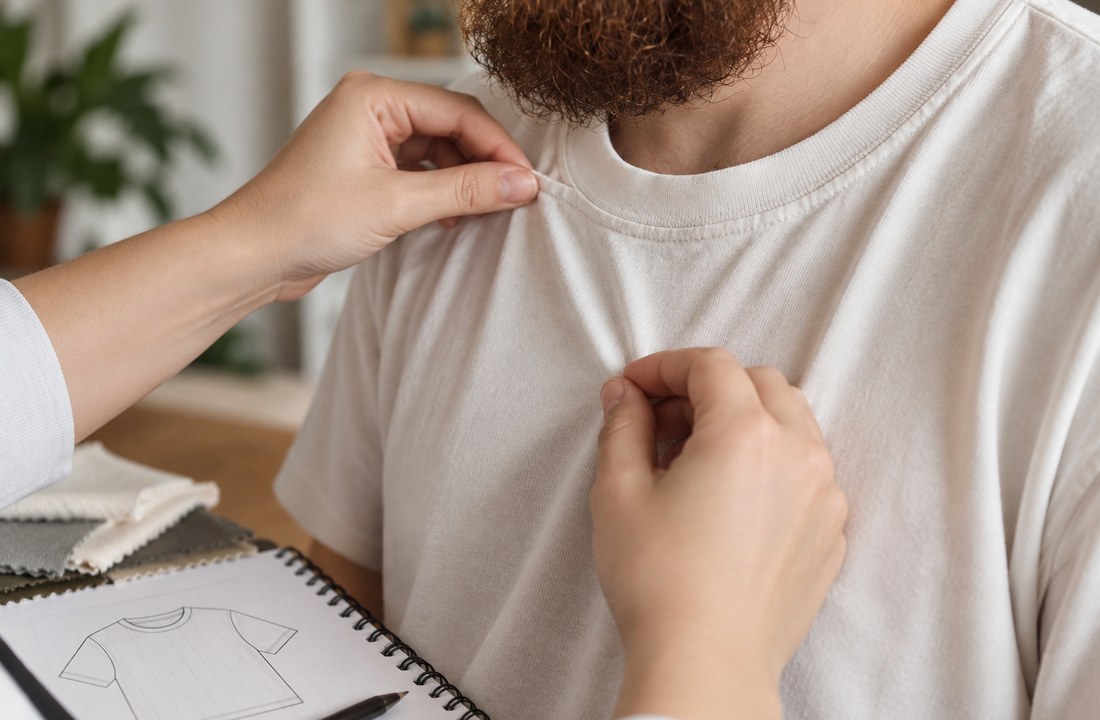
Give each sample a distinct purpose
A fit sample can validate silhouette, balance, movement, and measurements before final materials are ready. A fabric or color submission can isolate material approval. A decoration strike-off can test artwork size, thread, ink, placement, and surface interaction. A production-representative sample should close the approved combination before bulk begins.
Names for sample stages vary, so the written purpose matters more than terminology. State which fabric lot, trims, labels, decoration files, packaging, and methods are included. Mark every deviation. A buyer who signs a sample with temporary fabric and then expects production color, shrinkage, and hand feel to match has approved incomplete evidence.
Sample comments should be actionable. Replace “make it better” or “fit is off” with the point of measure, observed result, intended change, and whether the revision applies to one size or the grade. The manufacturer should return a revised measurement file and identify changes made. This reduces the chance that a visual improvement creates a new measurement error elsewhere.
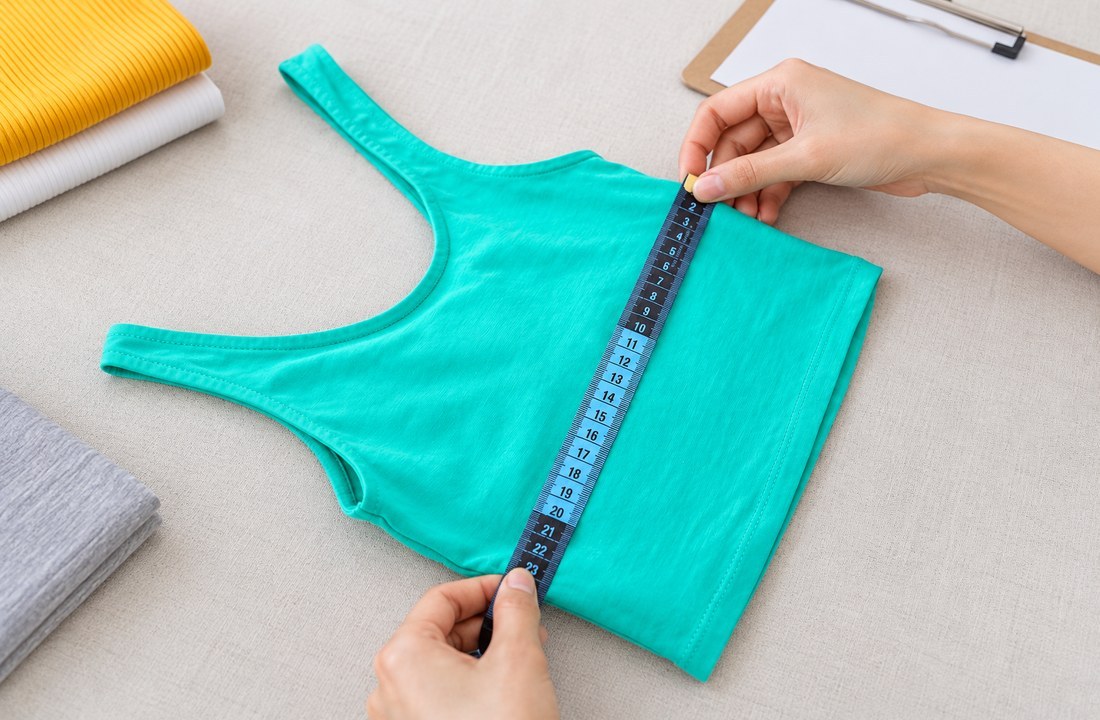
Measure the garment against the specification and record results by size. Photograph key details with neutral lighting and include close-ups, but do not replace physical evaluation with images. Wear and movement checks can reveal sleeve rotation, neck restriction, pocket distortion, or hem behavior that flat measurements miss.
Wash and performance checks need controlled conditions
Record the care method, machine settings where relevant, drying method, number of cycles, conditioning time, and measurement points. CottonWorks explains in its shrinkage and skewing guidance that dimensional stability is affected by fiber, yarn, construction, wet processing, finishing, sewing, and care. A copied shrinkage target without those conditions is not defensible.
CottonWorks’ quality testing overview also distinguishes appearance, colorfastness, durability, and sampling. Choose tests by product use and risk rather than requesting a generic certificate. A test result for one fabric or color should not be silently applied to another lot or finished garment.
Which Production Controls Show Repeatability?
Repeatability depends on controlled inputs, clear workmanship standards, in-process verification, and a traceable approved reference. Buyers should ask how the manufacturer prevents a correct sample from drifting during cutting, sewing, finishing, decoration, and packing. The answer should identify people, records, checkpoints, and escalation rules.
The table below separates useful evidence from common substitutes.
| Control area | Useful evidence | Weak substitute | Buyer decision |
|---|---|---|---|
| Material identity | Approved specification linked to actual lot | Similar swatch or verbal assurance | Hold production until identity is closed |
| Measurements | Size chart, tolerances, graded sample results | One medium sample | Check risk sizes and bulk records |
| Construction | Operation details and approved workmanship sample | “Experienced sewing team” | Define critical seams and defect examples |
| Decoration | Versioned artwork, settings, placement, approved strike-off | Digital mockup | Approve on the production garment |
| Final inspection | Sampling plan, defect rules, report, disposition | Photos of a few good units | Agree who decides release and rework |
No single document proves the complete system. The value comes from consistency between the specification, approved sample, production records, and inspected goods.
Ask how changes are authorized
Material shortages, machine availability, trim substitutions, and schedule pressure can cause changes. A high-quality process does not pretend changes never occur; it prevents unapproved changes from becoming production. The purchase order or quality agreement should state who can propose a change, what evidence is required, and who approves it.
The same rule applies to reorders. The manufacturer should retrieve the approved fabric, pattern, grading, construction, decoration, and packaging records. If a component has changed, the buyer needs a new submission rather than an assurance that it is “equivalent.”
Machine and operator settings can matter even when materials do not change. Embroidery tension, print curing, wash load, pressing, and finishing time can alter appearance or dimensions. Buyers do not need to dictate every factory parameter, but the manufacturer should control the settings that produced the approved result and investigate drift when bulk checks move away from it.
What Should Be Checked During and After Production?
Inspection should occur where it can still influence the result, not only when cartons are closed. Incoming material checks, first-piece review, in-line checks, finishing controls, and final inspection serve different purposes. The exact plan should reflect product complexity, defect risk, order value, and the cost of correction at each stage.
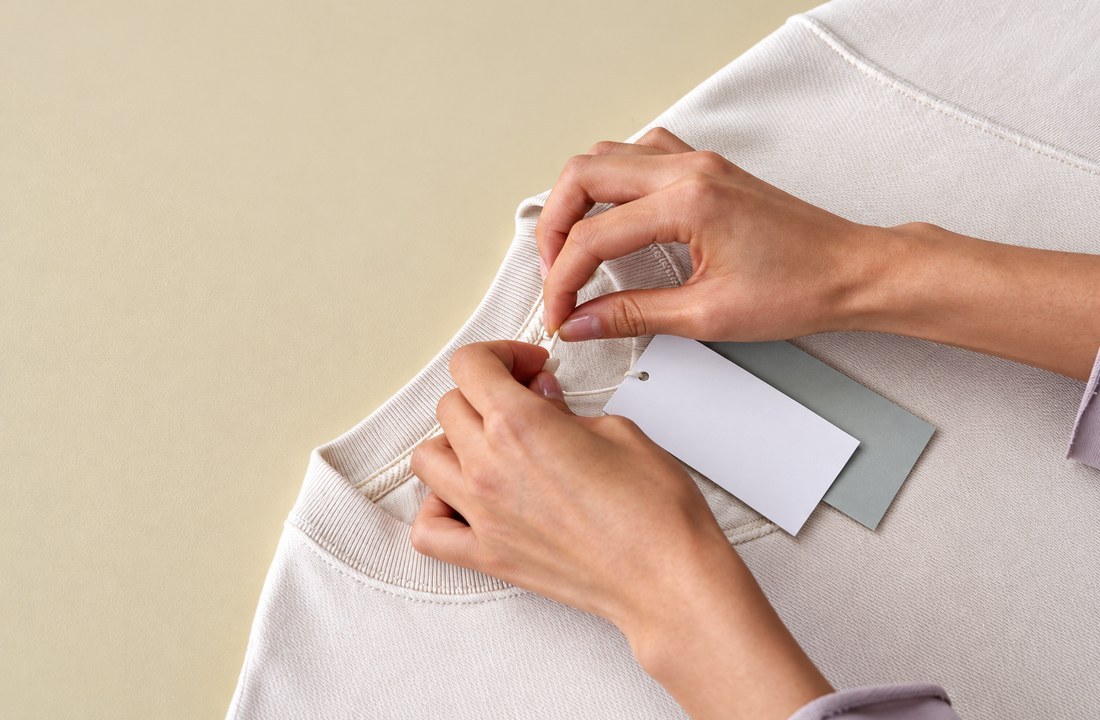
Inspect critical risks early
Confirm fabric shade and identity before broad cutting, verify pattern and placement on early units, and examine operations that are difficult to repair later. Garment dye, wash, embroidery, and large prints can introduce dimensional or appearance changes after sewing, so the sequence matters. The manufacturer should explain where measurements are taken and how units are conditioned before measurement.
For a heavyweight hoodie, inspect hood shape, neck join, pocket alignment, cuff and waistband recovery, seam balance, and decoration interaction with the thick fabric. The 400GSM washed boxy fit hoodie can be evaluated as a defined garment option, but its listed weight alone does not prove seam quality, wash behavior, or suitability for a specific design.
Final inspection should use the latest approved files. Check quantities by SKU, measurements, workmanship, appearance, decoration, labels, care information, packaging, carton marks, and any required functional tests. Record the sample selected, defects found, severity decisions, photographs, and release or corrective action.
Keep customer-side receipt inspection
Supplier inspection does not eliminate the buyer’s responsibility at receipt. Count cartons and units, check shipping damage, verify SKU allocation, compare selected goods with the approved sample, and isolate suspected nonconforming stock. Report issues promptly with traceable photos and unit or carton references.
This check is especially important when goods move directly to a warehouse or fulfillment center. Define who can stop inventory from becoming sellable. A receiving team that only scans quantities can miss mislabeled sizes, mixed colors, or incorrect packaging until customer orders expose the error.
Create a defect feedback loop between customer service, warehouse, and product teams. Return reasons such as “too small” or “color wrong” should be checked against measurements, product photography, label accuracy, and the approved standard before they are blamed on the customer. Repeated complaints can reveal a grading, shade, or listing problem that passed a narrow inspection sample.
How Can Buyers Verify a Manufacturer Before Scaling?
Buyers should verify a manufacturer with progressively stronger evidence as financial and product risk increase. Begin with relevant product competence and a controlled sample, then review the quality system, production responsibility, test capability, and performance on a limited order before scaling. A factory tour or audit can add evidence, but it does not replace product records.
Use a product-specific verification file
Keep the brief, quotations, legal identity, communication record, material submissions, samples, test reports, artwork, measurement results, defect decisions, inspection reports, corrective actions, and approved changes together. Documents should show dates, versions, product references, and the organization that issued them.
Cloprod’s custom apparel page lists current decoration and branding routes for catalog apparel. A buyer considering that route should confirm the selected garment, artwork, quantity, method, labels, and packaging in writing. The page does not establish OEM, full-package, or custom cut-and-sew capability, so the project must remain within the verified service scope.
Use independent testing when the risk justifies it, and confirm that the laboratory, method, sample, and acceptance limit are relevant. The American Association of Textile Chemists and Colorists notes current procedures for areas such as dimensional change and color evaluation in its test-method manual update. The buyer and supplier still need to agree which method and limit apply to the product.
Scale only after the evidence survives handoff.
A pilot order tests more than the garment. It tests whether approved information reaches production, inspection findings lead to action, packing data remain accurate, and the supplier preserves records for reorders. Review deviations and corrective actions before increasing units, colors, or styles.
Do not interpret one successful run as permanent proof. New materials, new colors, new decoration methods, new subcontractors, larger volume, or a long production gap can change risk. Define which changes require resampling or renewed tests.
Review corrective action quality after a failure. A useful response identifies the affected units or lots, contains the problem, finds a plausible cause, changes the relevant control, and verifies the result. Reworking a few visible defects without examining why they occurred may release the current shipment while leaving the next order exposed to the same issue.
Supplier performance should be reviewed by order and product. Track agreed and actual sample approvals, material submissions, production milestones, defect categories, rework, quantity accuracy, claims, and the quality of corrective action. Keep dates and source documents. A score without evidence can become another vague label, while a record helps the buyer decide whether a problem was isolated or recurring.
Quality cost should be visible. Testing, inspection, and controlled samples add expense, but failures also create rework, air freight, customer support, replacements, markdowns, and lost launch time. Compare controls with the consequence they reduce. A low-risk repeat order may need fewer interventions than a new wash, color, construction, or supplier, even at the same unit count.
Do not transfer every check to the manufacturer. The brand owns the customer promise and should define the critical attributes, approve changes, and review evidence. At the same time, micromanaging factory operations without technical knowledge can create conflicting instructions. Agree outcomes, methods where needed, and reporting; allow the manufacturer to control its process within those boundaries.
If an independent inspection or laboratory is used, send the current specification and acceptance rules directly and confirm sample selection. A report can be technically accurate yet irrelevant if it tests the wrong color, size, lot, or care condition. Resolve discrepancies between supplier and third-party results by checking samples, methods, conditioning, and records rather than choosing the more favorable figure.
Connect Quality Evidence to Supplier Selection
Quality verification should continue the sourcing decision instead of beginning after a purchase order. Use the custom apparel supplier checklist as a prompt for scope, sample, communication, and repeatability questions, then adapt those checks to the current product. A checklist does not pass a supplier; it makes missing evidence visible.
Ask finalists to explain one relevant defect and how it would be detected, contained, corrected, and prevented. The answer can reveal whether quality is treated as final sorting or as process control. Do not request another customer’s confidential claim record. A hypothetical response tied to the proposed garment is enough to test reasoning before the buyer commits.
Record that response beside the sample result for later comparison.
Conclusion
High quality clothing manufacturers can show how an agreed garment specification is converted into controlled materials, approved samples, production checkpoints, final inspection, and repeatable reorder records. Buyers should define quality for the actual product and reject vague terms that cannot become acceptance decisions.
Submit the tech pack and quality requirements to the apparel team, including the size chart and tolerances, fabric and trim requirements, artwork, decoration placement, label and packaging details, quantity allocation, test needs, and target delivery date. Request a production-representative sample and a written quality plan before scaling. The strongest evidence is not a marketing claim or a single flawless sample. It is a consistent chain from requirement to measured result, with changes disclosed and defects handled before goods become sellable.
Keep that chain intact for every reorder.
FAQ
How can I tell whether a clothing manufacturer is high quality?
Look for product-specific specifications, meaningful samples, material traceability, measurement and workmanship records, relevant tests, inspection reports, change control, and corrective actions. General certifications or polished product photos are not enough by themselves.
Is a pre-production sample enough to approve bulk production?
It can be a major approval gate if it uses the agreed production materials, construction, decoration, labels, and finishing. The manufacturer still needs production controls and inspection because one sample does not prove every bulk unit will conform.
Which clothing quality tests are necessary?
Tests depend on fiber, construction, dye or finish, decoration, care method, target market, and product use. Dimensional stability, appearance, colorfastness, seam or fabric performance, and regulatory checks may be relevant. Agree methods, samples, conditions, and limits before testing.
Should buyers inspect every garment?
That depends on risk, order size, defect consequences, and the inspection plan. Some critical characteristics may justify complete checks, while others use a defined sample. The buyer and manufacturer should agree the sampling and disposition rules rather than improvise at shipment.
How should quality be controlled on reorders?
Retrieve the approved product identity, pattern, measurements, materials, color, artwork, decoration settings, labels, packaging, and defect standards. Confirm changes before production and resample any element that can affect fit, appearance, performance, or compliance.